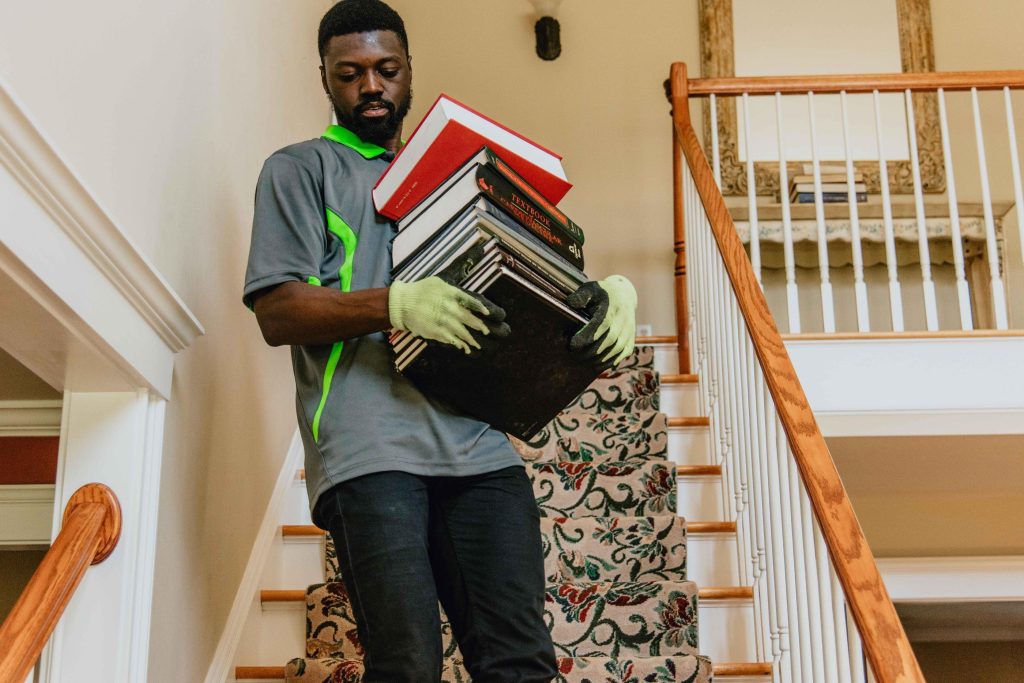

Losing a loved one is one of life’s most difficult experiences. During an already emotional time, family members are often faced with the responsibility of managing the person’s property and belongings. An estate cleanout can feel overwhelming, especially when a home contains decades of memories, personal possessions, and important documents.
While every situation is unique, having a clear plan can make the process more manageable. An estate cleanout is not simply about removing items from a property—it’s about honoring a loved one’s legacy while responsibly handling their belongings.
This guide provides practical steps for managing an estate cleanout with care, organization, and respect.
What Is an Estate Cleanout?
An estate cleanout is the process of sorting, organizing, removing, and disposing of belongings from a property after the owner has passed away.
The goal may be to:
- Prepare the property for sale
- Transfer ownership to family members
- Organize inherited belongings
- Clear the home for future use
- Manage legal and financial responsibilities
Estate cleanouts often involve much more than removing unwanted items. They require thoughtful decision-making and emotional consideration.
Take Time Before You Begin
One of the most important aspects of an estate cleanout is allowing yourself and other family members time to grieve.
Unless there are urgent legal or financial deadlines, avoid rushing into the process immediately after a loss.
Taking time can help family members make clearer decisions and reduce the risk of accidentally discarding meaningful items.
Every family handles grief differently, so it is important to proceed at a pace that feels appropriate.
Secure the Property
Before beginning the cleanout, ensure the property is secure.
Consider:
- Locking all doors and windows
- Collecting spare keys
- Securing valuables
- Reviewing insurance coverage
- Monitoring the property regularly
Vacant homes can become vulnerable to theft, vandalism, or weather-related damage, so taking precautions early is essential.
Locate Important Documents
One of the first priorities should be identifying and organizing important documents.
Common documents to look for include:
- Wills and estate planning documents
- Property deeds
- Insurance policies
- Tax records
- Bank statements
- Investment information
- Vehicle titles
- Birth and marriage certificates
These documents may be needed to settle legal and financial matters.
Create a secure filing system and keep important paperwork separate from general household items.
Create a Family Communication Plan
Estate cleanouts often involve multiple family members with different opinions and emotional attachments.
Open communication can help prevent misunderstandings and conflicts.
Consider discussing:
- Personal keepsakes
- Family heirlooms
- Property plans
- Donation preferences
- Financial considerations
Establishing a clear process for decision-making can make the cleanout smoother and more respectful for everyone involved.
Sort Belongings into Categories
A practical approach is to divide items into several categories.
Keep
Items family members wish to retain for personal or sentimental reasons.
Donate
Usable items that may benefit charities, community organizations, or individuals in need.
Sell
Items with financial value that may be sold through estate sales, auctions, or online marketplaces.
Recycle
Materials that can be processed through recycling programs.
Dispose
Broken, damaged, or unusable items that must be discarded.
Sorting items systematically helps prevent confusion and keeps the project organized.
Be Careful with Sentimental Items
Personal belongings often carry emotional significance.
Examples include:
- Family photographs
- Letters
- Awards
- Jewelry
- Artwork
- Memorabilia
It can be tempting to make quick decisions in order to complete the cleanout faster, but sentimental items deserve special attention.
Consider creating designated boxes for meaningful keepsakes and allowing family members time to review them carefully.
Digital scanning can also help preserve photographs and documents while reducing physical storage needs.
Identify Valuable Assets
Some items may have significant financial value.
Examples include:
- Antiques
- Collectibles
- Fine art
- Jewelry
- Coins
- Rare books
If you’re unsure about an item’s worth, consider consulting a professional appraiser before selling or donating it.
Proper evaluation can help ensure valuable assets are not overlooked.
Consider Holding an Estate Sale
For larger estates, an estate sale can be an effective way to sell household contents.
Estate sales may include:
- Furniture
- Appliances
- Decorations
- Collectibles
- Tools
- Household goods
Professional estate sale companies can assist with pricing, organization, advertising, and sales management.
An estate sale can help offset expenses while reducing the number of items that need to be removed.
Donate Usable Items
Many belongings may still be useful to others.
Organizations often accept:
- Clothing
- Furniture
- Kitchenware
- Books
- Electronics
- Household supplies
Donating usable items provides several benefits:
- Reduces waste
- Supports charitable causes
- Helps families in need
- Simplifies the cleanout process
Always confirm donation guidelines before delivering items.
Dispose of Hazardous Materials Properly
Many homes contain products that require special disposal procedures.
Examples include:
- Paint
- Chemicals
- Batteries
- Automotive fluids
- Cleaning products
- Expired medications
Do not place hazardous materials in regular trash bins.
Check local regulations and use approved disposal programs to ensure safe handling.
Prepare the Property for Sale or Transfer
Once belongings have been sorted and removed, attention can shift to preparing the property itself.
Tasks may include:
- Deep cleaning
- Minor repairs
- Landscaping
- Carpet cleaning
- Painting
- Staging
A clean and well-maintained property is often easier to sell and may attract more buyer interest.
Consider Professional Estate Cleanout Services
In some situations, professional assistance can be extremely valuable.
Estate cleanout companies can help with:
- Large-scale item removal
- Furniture disposal
- Donation coordination
- Property cleanup
- Recycling services
Professional teams can often complete projects more efficiently while reducing physical and emotional stress for family members.
This can be especially helpful when family members live far away or when the estate contains a large volume of belongings.
Emotional Tips for Managing an Estate Cleanout
An estate cleanout is often emotionally challenging.
Here are a few suggestions to make the process easier:
Take Breaks
Give yourself permission to step away when emotions become overwhelming.
Ask for Help
Family members, friends, or professionals can provide valuable support.
Focus on Memories, Not Possessions
Meaningful memories are not limited to physical items.
Be Patient
The process may take longer than expected, and that’s perfectly normal.
Everyone experiences grief differently.
Common Mistakes to Avoid
During an estate cleanout, try to avoid:
- Rushing important decisions
- Discarding documents without review
- Overlooking valuable assets
- Ignoring local disposal regulations
- Failing to communicate with family members
Careful planning can help prevent costly or emotional mistakes.
Conclusion
Managing a property after a loved one passes away is never easy. An estate cleanout involves both practical responsibilities and emotional challenges. By approaching the process with patience, organization, and respect, families can honor their loved one’s memory while responsibly managing their belongings.
Taking time to sort possessions, preserve meaningful keepsakes, donate usable items, and seek professional assistance when needed can make the process more manageable. Although an estate cleanout can feel overwhelming at first, a thoughtful step-by-step approach can help transform a difficult task into an opportunity to celebrate a loved one’s life and legacy.