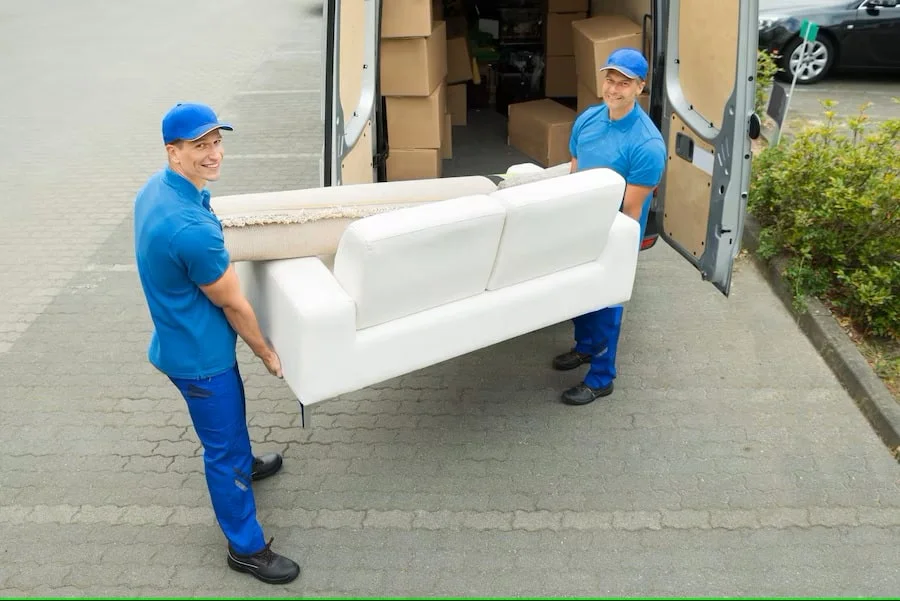

Furniture plays an important role in making a house feel like a home. Over time, however, sofas wear out, dining tables become outdated, and old chairs are replaced with newer models. As lifestyles change and home renovations occur, many homeowners find themselves with unwanted furniture that takes up valuable space. While the easiest solution may seem to be sending these items to a landfill, doing so can contribute to environmental waste and unnecessary resource consumption.
Fortunately, there are many eco-friendly ways to dispose of unwanted furniture responsibly. By choosing sustainable options, homeowners can reduce landfill waste, support local communities, and help conserve valuable resources. In this guide, we’ll explore practical and environmentally responsible methods for getting rid of furniture you no longer need.
Why Furniture Disposal Matters
Large furniture items can occupy significant space in landfills. Many pieces are made from materials such as wood, metal, fabric, and plastic that require energy and resources to manufacture. When furniture is discarded prematurely, these resources are wasted.
According to environmental experts, extending the lifespan of furniture through reuse, donation, recycling, or repurposing can significantly reduce waste and lower the environmental impact associated with manufacturing new products.
By making thoughtful disposal decisions, homeowners can contribute to a more sustainable future while keeping their homes clutter-free.
Donate Furniture in Good Condition
One of the most environmentally friendly ways to dispose of unwanted furniture is to donate it.
Many organizations accept gently used furniture, including:
- Sofas
- Dining tables
- Chairs
- Dressers
- Bookshelves
- Bed frames
- Coffee tables
Furniture donations can benefit families in need, nonprofit organizations, shelters, and community programs.
Before donating, ensure that the furniture is clean, functional, and free from major damage. Many charities have guidelines regarding the condition of accepted items, so it is helpful to check their requirements in advance.
Donation not only keeps furniture out of landfills but also allows someone else to benefit from items that are still useful.
Sell Unwanted Furniture
If your furniture is in good condition, selling it can be an excellent alternative to disposal.
Popular options include:
- Online marketplaces
- Local community groups
- Garage sales
- Consignment stores
- Secondhand furniture shops
Selling furniture extends its useful life and helps reduce demand for newly manufactured products. It can also provide extra income while freeing up space in your home.
When listing furniture for sale, include clear photos and accurate descriptions to attract potential buyers.
Give Furniture Away for Free
Sometimes the fastest and most eco-friendly solution is simply giving furniture away.
Many people actively search for free furniture for:
- First apartments
- Student housing
- Temporary living situations
- Home improvement projects
Local community groups and neighborhood platforms often have sections where residents can offer items at no cost.
Even furniture with minor cosmetic issues may be valuable to someone willing to repair or refinish it.
Repurpose Furniture Creatively
Before disposing of furniture, consider whether it can be repurposed for another use.
Creative repurposing ideas include:
- Turning an old dresser into garage storage
- Converting a bookshelf into a pantry organizer
- Transforming a wooden table into a workbench
- Using dining chairs as patio seating
- Repurposing cabinets for workshop storage
Repurposing extends the life of furniture and reduces the need to purchase new storage solutions or household items.
Many DIY projects require only basic tools and creativity.
Refinish or Restore Instead of Replace
Furniture that appears outdated or worn may still have years of life remaining.
Instead of replacing it, consider restoration techniques such as:
- Painting
- Staining
- Reupholstering
- Refinishing wood surfaces
- Replacing hardware
A simple makeover can completely transform the appearance of a piece while preserving its functionality.
Restoration is often more affordable than purchasing new furniture and helps reduce environmental waste.
Recycle Furniture Materials
When furniture is no longer usable, recycling may be the best option.
Many furniture items contain recyclable materials such as:
- Metal
- Wood
- Cardboard
- Certain plastics
Recycling facilities may accept these materials separately after the furniture has been disassembled.
For example:
- Metal frames can be sent to scrap recycling centers.
- Untreated wood may be recycled or repurposed.
- Cardboard packaging can often be processed through curbside recycling programs.
Contact local recycling centers to learn which materials they accept.
Explore Furniture Take-Back Programs
Some furniture retailers and manufacturers offer take-back or recycling programs designed to reduce waste.
These programs may allow customers to return old furniture when purchasing new items. The returned furniture is often refurbished, recycled, or responsibly processed.
Before replacing furniture, ask retailers whether they provide disposal assistance or sustainability initiatives.
These programs can simplify the removal process while supporting environmentally conscious practices.
Consider Professional Eco-Friendly Removal Services
Professional junk removal companies increasingly offer environmentally responsible disposal options.
Many services prioritize:
- Donations
- Recycling
- Material recovery
- Responsible disposal methods
Instead of sending all collected items directly to landfills, reputable providers often sort materials to maximize reuse and recycling opportunities.
When hiring a removal company, ask about their environmental practices and commitment to sustainable disposal.
Choosing a provider that prioritizes waste diversion can significantly reduce the environmental impact of furniture removal.
Avoid Illegal Dumping
Improper furniture disposal can have serious environmental and legal consequences.
Illegal dumping can:
- Pollute natural areas
- Create safety hazards
- Attract pests
- Result in fines or penalties
Responsible disposal methods help protect communities and preserve public spaces.
Even when furniture is no longer usable, there are usually better alternatives than abandoning it in unauthorized locations.
Benefits of Eco-Friendly Furniture Disposal
Choosing sustainable disposal methods offers numerous advantages.
Reduces Landfill Waste
Furniture can occupy substantial landfill space. Reuse and recycling help minimize this burden.
Conserves Natural Resources
Extending the lifespan of furniture reduces demand for new raw materials such as wood, metal, and textiles.
Supports Local Communities
Donated furniture can assist families, charities, shelters, and community organizations.
Promotes Sustainability
Responsible disposal practices contribute to a circular economy where products remain in use for as long as possible.
Saves Money
Repurposing, restoring, or donating furniture can sometimes be more cost-effective than paying disposal fees.
Tips for Choosing the Best Disposal Method
When deciding how to handle unwanted furniture, consider the following questions:
- Is the furniture still functional?
- Could someone else use it?
- Can it be repaired or restored?
- Are recyclable materials present?
- Would donation benefit the community?
Answering these questions can help determine the most environmentally responsible option.
Building Sustainable Habits
Eco-friendly furniture disposal is part of a larger commitment to sustainable living.
Future furniture purchases can also support sustainability by focusing on:
- Durable construction
- Timeless designs
- Repairable materials
- High-quality craftsmanship
Buying furniture designed to last can reduce waste and lower long-term environmental impact.
Conclusion
Getting rid of unwanted furniture does not have to mean sending it directly to a landfill. From donating and selling to repurposing and recycling, there are numerous eco-friendly ways to dispose of furniture responsibly.
By choosing sustainable disposal methods, homeowners can reduce environmental waste, conserve resources, and support their communities. Even small efforts can make a meaningful difference when it comes to reducing landfill contributions and promoting a more sustainable lifestyle.
The next time you decide to replace a piece of furniture, consider the many environmentally friendly alternatives available. A thoughtful approach to furniture disposal benefits not only your home but also the environment and future generations.