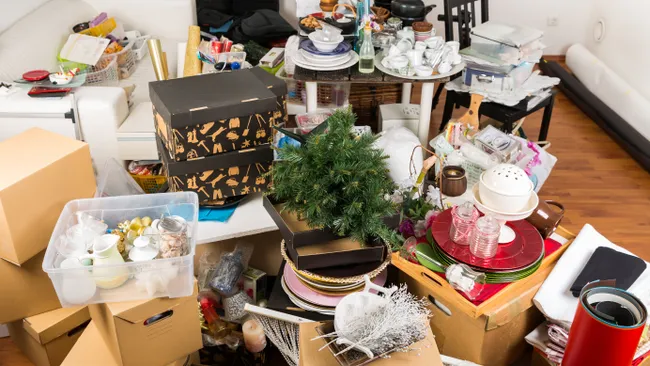

A clutter-free home is more than just visually appealing. It can improve your quality of life, reduce stress, increase productivity, and make everyday tasks easier to manage. However, many homeowners struggle with clutter because belongings tend to accumulate gradually over time. Unused items, outdated possessions, and disorganized storage areas can quickly overwhelm even the most spacious homes.
The good news is that decluttering does not have to be complicated. With a clear plan and consistent effort, anyone can create a cleaner, more organized living environment. This complete guide will walk you through the process of decluttering your home and provide practical tips to help you maintain an organized space long-term.
What Is Decluttering?
Decluttering is the process of removing unnecessary, unused, or unwanted items from your living space. The goal is to keep only the possessions that serve a purpose, bring value to your life, or are genuinely meaningful.
Decluttering is not about getting rid of everything you own. Instead, it focuses on creating a functional environment where every item has a place and contributes positively to your daily life.
By reducing excess belongings, you can create a home that feels more spacious, comfortable, and manageable.
Benefits of Decluttering Your Home
Before starting the decluttering process, it helps to understand why it is worth the effort.
Reduced Stress
A cluttered environment can create feelings of overwhelm and anxiety. Excess belongings often serve as visual reminders of unfinished tasks and responsibilities.
A cleaner, more organized space can promote relaxation and improve mental well-being.
Improved Productivity
When your home is organized, it becomes easier to find what you need. Less time spent searching for misplaced items means more time available for important activities.
Easier Cleaning
Decluttered homes are easier to clean and maintain. With fewer objects collecting dust and occupying surfaces, routine cleaning becomes faster and more efficient.
Better Use of Space
Removing unnecessary items allows you to maximize available space and improve the functionality of each room.
Enhanced Safety
Clutter can create tripping hazards, block walkways, and contribute to fire risks. A more organized home is generally a safer home.
Preparing for the Decluttering Process
Successful decluttering starts with preparation.
Before you begin, gather a few basic supplies:
- Trash bags
- Donation boxes
- Storage containers
- Labels
- Cleaning supplies
You should also set realistic expectations. Decluttering an entire home may take time, especially if clutter has accumulated over several years.
Rather than attempting to complete everything in a single day, focus on making steady progress.
Start With a Plan
One of the biggest mistakes people make is trying to declutter randomly.
Instead, create a plan by identifying which areas need the most attention.
A simple room-by-room approach often works well:
- Entryway
- Living room
- Kitchen
- Bathrooms
- Bedrooms
- Closets
- Garage
- Basement
- Attic
Completing one area at a time helps prevent feelings of overwhelm and provides a sense of accomplishment.
Use the Four-Category Method
A proven decluttering strategy is to sort items into four categories:
Keep
Items you use regularly or genuinely need.
Donate
Items in good condition that no longer serve a purpose for you but could benefit someone else.
Sell
Valuable items that are no longer needed but may have resale value.
Dispose
Broken, damaged, expired, or unusable items.
This method simplifies decision-making and keeps the process organized.
Decluttering the Living Room
The living room is often one of the most visible spaces in a home.
Begin by removing:
- Old magazines
- Broken décor
- Unused electronics
- Excess furniture
- Outdated accessories
Keep surfaces as clear as possible and ensure that every item has a designated place.
An organized living room creates a welcoming atmosphere for both family members and guests.
Organizing the Kitchen
Kitchens tend to accumulate clutter quickly due to daily use.
Focus on:
- Expired food
- Duplicate utensils
- Unused appliances
- Mismatched containers
- Damaged cookware
Organize cabinets and drawers by grouping similar items together.
Consider using storage bins, shelf organizers, and labels to improve efficiency.
Decluttering Bedrooms
Bedrooms should provide a calm and relaxing environment.
Start by evaluating:
- Clothing
- Shoes
- Accessories
- Books
- Personal items
A useful guideline is the one-year rule. If you have not used or worn an item in the past year, it may be time to donate or remove it.
Keeping bedroom surfaces clear can also improve sleep quality and create a more peaceful atmosphere.
Tackling Closets
Closets are often among the most cluttered areas in a home.
Remove everything and sort items carefully.
Ask yourself:
- Does it fit?
- Do I wear it?
- Is it in good condition?
- Would I buy it again today?
Be honest during this process. Holding onto unused clothing often contributes significantly to household clutter.
Organizing Bathrooms
Bathrooms are typically smaller spaces where clutter becomes noticeable quickly.
Review:
- Expired medications
- Old cosmetics
- Unused toiletries
- Duplicate products
Use drawer organizers and storage containers to keep essentials neatly arranged.
Regularly checking expiration dates can also improve household safety.
Managing Paper Clutter
Paper clutter can accumulate rapidly if not addressed consistently.
Examples include:
- Bills
- Receipts
- Manuals
- Advertisements
- Old documents
Sort paperwork into categories and shred anything containing sensitive information that is no longer needed.
Whenever possible, consider digital storage options to reduce paper accumulation.
Decluttering Storage Areas
Garages, basements, and attics often become holding areas for items that no longer fit elsewhere in the home.
Common clutter includes:
- Holiday decorations
- Old furniture
- Sports equipment
- Boxes of miscellaneous belongings
Sort items by category and remove anything that no longer serves a purpose.
Installing shelving systems can improve storage efficiency and help maintain organization.
Avoid Common Decluttering Mistakes
Many people unintentionally make the process more difficult than necessary.
Common mistakes include:
Trying to Do Too Much at Once
Large projects can become overwhelming. Break tasks into smaller, manageable sessions.
Keeping Items Out of Guilt
Holding onto possessions because they were expensive or given as gifts often contributes to unnecessary clutter.
Buying Storage Before Decluttering
Declutter first, then determine what storage solutions are actually needed.
Focusing on Perfection
The goal is progress, not perfection. Even small improvements can make a meaningful difference.
How to Maintain a Clutter-Free Home
Decluttering is not a one-time event. Maintaining an organized home requires ongoing habits.
Helpful strategies include:
Follow the One-In, One-Out Rule
For every new item you bring into your home, remove one existing item.
Schedule Regular Decluttering Sessions
Set aside time every few months to review belongings and remove unnecessary items.
Return Items to Their Designated Place
Develop the habit of putting things away immediately after use.
Shop Mindfully
Before making purchases, consider whether the item is truly necessary and where it will be stored.
When to Consider Professional Help
Some situations involve large amounts of clutter that may require outside assistance.
Examples include:
- Estate cleanouts
- Major downsizing projects
- Hoarding situations
- Large-scale home renovations
Professional organizers and junk removal services can provide valuable support for more complex projects.
Conclusion
Decluttering your home is one of the most effective ways to create a cleaner, safer, and more enjoyable living environment. By removing unnecessary belongings, organizing your space, and developing sustainable habits, you can reduce stress and improve the functionality of your home.
The process does not need to happen overnight. Consistent effort and thoughtful decision-making can produce lasting results that benefit every area of your life. Whether you begin with a single drawer or an entire room, every step toward a clutter-free home is a step toward greater comfort, productivity, and peace of mind.