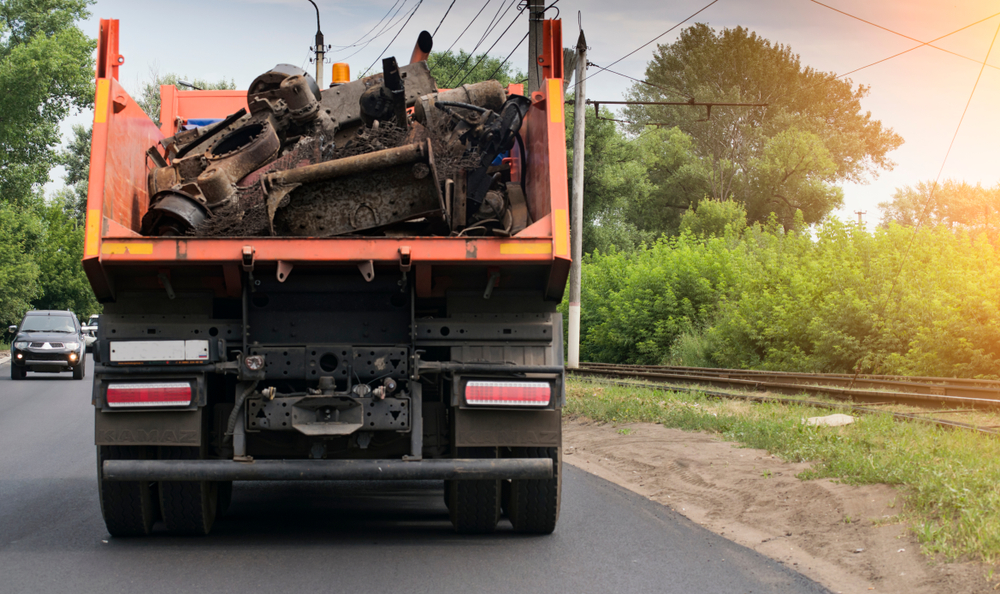

Home improvement and construction projects can transform a property, increase its value, and improve overall functionality. Whether you are remodeling a kitchen, building an addition, replacing a roof, or completing a full home renovation, one challenge that often gets overlooked is the management of construction debris. Proper construction debris removal is an essential part of any successful project, helping homeowners maintain safety, comply with local regulations, and keep the worksite organized.
Understanding how construction debris removal works can save time, reduce stress, and prevent unnecessary expenses. This guide explains what homeowners need to know before, during, and after a construction project.
What Is Construction Debris?
Construction debris refers to the waste materials generated during building, remodeling, demolition, and repair projects. These materials can vary depending on the scope of the project and may include:
- Wood scraps
- Drywall pieces
- Concrete and bricks
- Roofing materials
- Metal scraps
- Insulation
- Flooring materials
- Glass
- Packaging materials
- Old fixtures and cabinets
While some materials can be recycled or reused, others require proper disposal through approved waste management facilities. Understanding the types of debris your project will generate is the first step in creating an effective cleanup plan.
Why Proper Debris Removal Matters
Many homeowners focus on design, budgeting, and construction timelines but underestimate the importance of debris management. Failing to address waste properly can create several problems.
Safety Concerns
Construction sites often contain sharp objects, exposed nails, broken glass, and heavy materials that can cause injuries. Piles of debris may also create tripping hazards for workers, homeowners, and visitors.
Regular debris removal helps maintain a safer work environment and reduces the risk of accidents throughout the project.
Improved Project Efficiency
A cluttered job site can slow down construction progress. Workers may spend valuable time moving debris out of the way rather than focusing on the actual work. Keeping the area clean allows contractors to work more efficiently and stay on schedule.
Environmental Responsibility
Construction and demolition waste contributes significantly to landfill volumes each year. Many materials generated during renovations can be recycled, including metal, concrete, wood, and cardboard. Proper sorting and disposal help reduce environmental impact and support sustainable construction practices.
Compliance With Local Regulations
Many municipalities have regulations regarding the disposal of construction waste. Illegal dumping or improper disposal can result in fines and penalties. Understanding local requirements helps homeowners avoid legal complications and ensures waste is handled responsibly.
Common Construction Debris Disposal Options
Homeowners have several options for managing construction debris, depending on the size and complexity of the project.
Renting a Dumpster
Dumpster rentals are one of the most popular solutions for medium to large renovation projects. A dumpster is delivered to the property and can be filled throughout the construction process.
Benefits of renting a dumpster include:
- Convenient on-site waste storage
- Reduced cleanup interruptions
- Suitable for large volumes of debris
- Scheduled pickup when the project is complete
However, homeowners should verify which materials are allowed in the container, as certain items may require special disposal.
Hiring a Construction Debris Removal Service
Professional debris removal companies specialize in collecting and disposing of construction waste. These services are ideal for homeowners who want a hassle-free solution.
Professional crews can quickly remove debris, sort recyclable materials, and ensure proper disposal according to local regulations. This option is particularly useful for projects that generate large amounts of waste or involve heavy materials such as concrete and roofing shingles.
Recycling Construction Materials
Many construction materials can be recycled instead of sent to landfills. Recycling facilities often accept:
- Metal
- Concrete
- Asphalt
- Cardboard
- Certain types of wood
Recycling helps conserve natural resources and may reduce disposal costs in some areas.
Materials That Require Special Handling
Not all construction debris can be disposed of through standard waste removal methods. Some materials require specialized handling due to environmental or health concerns.
Examples include:
- Paint and paint containers
- Solvents and chemicals
- Asbestos-containing materials
- Lead-based paint debris
- Batteries
- Electronic waste
Homeowners should consult local waste management authorities or professional disposal companies when dealing with potentially hazardous materials.
Tips for Managing Construction Debris Efficiently
Planning ahead can make debris removal significantly easier and more cost-effective.
Estimate Waste Volume
Before beginning a project, discuss expected waste quantities with your contractor. Understanding how much debris will be generated helps determine whether a dumpster rental or removal service is the best option.
Separate Recyclable Materials
Creating designated areas for recyclable materials can simplify disposal and reduce landfill waste. Many contractors already follow recycling practices, but homeowners can encourage additional waste diversion efforts.
Schedule Regular Cleanup
Instead of waiting until the project is complete, arrange for periodic debris removal throughout construction. Regular cleanup keeps the site organized and minimizes safety risks.
Protect Landscaping and Property
Construction debris can damage lawns, driveways, and landscaping features if not managed properly. Consider using protective coverings and designated waste collection areas to minimize property damage.
Work With Reputable Professionals
Choosing experienced contractors and debris removal providers can make a significant difference. Reputable professionals understand disposal regulations, recycling opportunities, and safe handling procedures.
The Cost of Construction Debris Removal
The cost of debris removal varies based on several factors, including:
- Project size
- Type of materials
- Volume of waste
- Location
- Disposal fees
- Labor requirements
Small remodeling projects may only require a minor cleanup service, while major renovations or demolition projects can generate substantial disposal costs. Requesting multiple quotes and discussing waste management plans upfront can help homeowners budget more accurately.
Benefits of Professional Debris Removal Services
While some homeowners attempt to handle cleanup themselves, professional services offer several advantages:
- Faster removal of large debris volumes
- Reduced risk of injury
- Proper disposal and recycling practices
- Compliance with local regulations
- Less stress and physical labor
Professional teams often have the equipment and expertise needed to handle bulky, heavy, or hazardous materials safely and efficiently.
Conclusion
Construction debris removal is an important yet often overlooked aspect of home renovation and building projects. Proper waste management helps maintain safety, improve efficiency, support environmental sustainability, and ensure compliance with local regulations.
By understanding the available disposal options, planning ahead, and working with qualified professionals when necessary, homeowners can keep their projects organized from start to finish. Whether undertaking a small remodeling project or a large-scale renovation, effective construction debris removal contributes to a smoother construction process and a cleaner, safer property.