
When people think about junk removal, they often imagine unwanted items being loaded into a truck and taken straight to a landfill. While this may have been common in the past, many modern junk removal companies are adopting environmentally responsible practices that focus on reducing waste and protecting natural resources.
Eco-friendly junk removal is becoming increasingly important as communities seek sustainable ways to manage waste. Instead of simply discarding everything, many items can be reused, recycled, refurbished, or donated. Understanding what happens to your unwanted belongings after they leave your property can help you make informed decisions and contribute to a cleaner environment.
In this guide, we’ll explore how eco-friendly junk removal works, what happens to common household items, and why responsible disposal matters.
What Is Eco-Friendly Junk Removal?
Eco-friendly junk removal is the process of collecting, sorting, and disposing of unwanted items in ways that minimize environmental impact.
Rather than sending all materials directly to a landfill, eco-conscious junk removal companies prioritize:
- Recycling reusable materials
- Donating usable items
- Repurposing certain products
- Reducing landfill waste
- Following local environmental regulations
The goal is to extend the life cycle of materials whenever possible and reduce the amount of waste entering the waste management system.
Why Sustainable Disposal Matters
The world generates millions of tons of waste every year. Landfills continue to grow, and many contain materials that could have been recycled or reused.
Improper waste disposal can lead to:
- Soil contamination
- Water pollution
- Increased greenhouse gas emissions
- Loss of valuable resources
- Harm to wildlife and ecosystems
By choosing eco-friendly junk removal practices, individuals and businesses can help reduce these environmental challenges while supporting sustainability efforts.
The Journey of Your Unwanted Items
Many people are surprised to learn that junk removal involves much more than simply throwing things away.
After items are collected, they typically go through several stages of processing.
Step 1: Collection
The process begins when a junk removal team arrives at your property and collects unwanted items.
Common items include:
- Furniture
- Appliances
- Electronics
- Yard waste
- Clothing
- Household goods
- Construction debris
Once loaded into the truck, the items are transported to a sorting facility or processing center.
Step 2: Sorting
Sorting is one of the most important parts of eco-friendly junk removal.
Items are separated into categories such as:
- Recyclable materials
- Donation candidates
- Reusable products
- Waste for disposal
This process ensures that valuable materials are recovered whenever possible.
What Happens to Furniture?
Furniture is one of the most commonly removed household items.
Many pieces of furniture can still serve a useful purpose even if the original owner no longer needs them.
If furniture is in good condition, it may be:
- Donated to charitable organizations
- Given to local shelters
- Sold through secondhand outlets
- Refurbished for future use
Furniture that cannot be reused may be dismantled so that materials such as wood, metal, and fabric can be recycled separately.
What Happens to Appliances?
Old appliances often contain valuable materials that can be recovered and reused.
Examples include:
- Refrigerators
- Washing machines
- Dryers
- Dishwashers
- Ovens
Appliances are typically sent to specialized recycling facilities where they are dismantled.
Materials recovered may include:
- Steel
- Aluminum
- Copper
- Plastic components
Some appliances also contain refrigerants and other substances that require safe handling under environmental regulations.
What Happens to Electronics?
Electronic waste, often called e-waste, is one of the fastest-growing waste categories worldwide.
Common electronic items include:
- Televisions
- Computers
- Printers
- Monitors
- Smartphones
- Tablets
Many electronics contain valuable materials such as gold, silver, copper, and rare earth metals.
Certified recycling facilities recover these materials while safely disposing of potentially hazardous components.
Proper electronic recycling helps prevent toxic substances from entering the environment.
What Happens to Clothing and Household Goods?
Clothing, shoes, toys, books, and household items are often excellent candidates for donation.
Organizations frequently accept gently used items to support families, schools, shelters, and community programs.
Donating usable goods provides several benefits:
- Reduces waste
- Helps people in need
- Extends product life cycles
- Conserves resources
Many junk removal companies work directly with local charities to facilitate donations whenever possible.
Recycling Construction and Renovation Debris
Home renovations generate significant amounts of waste.
Common materials include:
- Wood
- Metal
- Drywall
- Concrete
- Bricks
- Roofing materials
Many of these materials can be recycled rather than discarded.
For example:
- Metal can be melted and reused.
- Concrete can be crushed and repurposed for construction projects.
- Wood may be processed into mulch or recycled products.
Recycling construction debris reduces landfill usage and conserves raw materials.
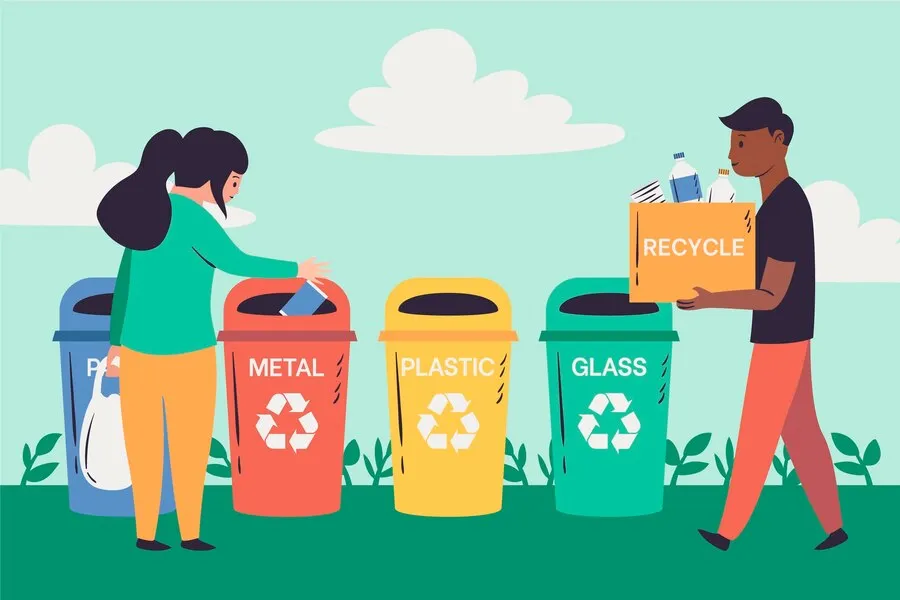
The Role of Recycling Facilities
Recycling facilities play a critical role in eco-friendly junk removal.
These facilities process a wide range of materials, including:
- Paper
- Cardboard
- Glass
- Plastic
- Metal
Recovered materials are transformed into new products, reducing the need for virgin resources.
This process helps save energy, lower emissions, and support a circular economy where materials remain in use for as long as possible.
How Homeowners Can Support Eco-Friendly Junk Removal
Consumers can take several steps to maximize the environmental benefits of junk removal.
Separate Recyclables
Sorting recyclable materials before pickup can simplify processing and improve recycling rates.
Donate Usable Items
If an item is still functional, consider donating it instead of discarding it.
Choose Responsible Providers
Look for junk removal companies that emphasize recycling and donation practices.
Ask questions such as:
- What percentage of materials do you recycle?
- Do you donate usable items?
- How do you handle electronic waste?
Responsible companies are usually transparent about their environmental efforts.
Avoid Unnecessary Waste
Reducing consumption and making thoughtful purchasing decisions can help prevent clutter from accumulating in the first place.
Benefits of Eco-Friendly Junk Removal
Environmentally responsible junk removal offers numerous advantages.
Reduced Landfill Waste
Fewer items end up occupying valuable landfill space.
Conservation of Resources
Recycling allows materials to be reused instead of extracting new raw resources.
Lower Environmental Impact
Responsible disposal helps reduce pollution and greenhouse gas emissions.
Community Support
Donated items benefit charitable organizations and individuals in need.
Cleaner Living Spaces
Homeowners can enjoy organized, clutter-free environments while supporting sustainability goals.
Conclusion
Eco-friendly junk removal is about much more than simply getting rid of unwanted items. It involves thoughtful sorting, recycling, donation, and responsible disposal practices that help reduce environmental impact and conserve valuable resources.
From furniture and appliances to electronics and construction debris, many items can be reused or recycled rather than sent directly to landfills. By choosing environmentally conscious junk removal services and making responsible disposal decisions, homeowners and businesses can contribute to a more sustainable future.
The next time you clear out unwanted belongings, remember that your items may have a second life through recycling, donation, or repurposing. Eco-friendly junk removal not only creates cleaner spaces but also helps protect the environment for future generations.