
Moving to a new home is an exciting opportunity for a fresh start. Whether you’re relocating across town or moving to a different city, packing up your belongings can quickly become overwhelming. One of the biggest mistakes people make during a move is taking everything they own without first deciding what is truly worth keeping.
A move provides the perfect opportunity to declutter, reduce moving costs, and create a more organized living space in your new home. By carefully sorting your belongings into categories—items to keep, donate, or throw away—you can make the moving process smoother and less stressful.
This guide will help you make smart decisions about your possessions before moving day arrives.
Why Decluttering Before a Move Is Important
Many homeowners underestimate how much unnecessary clutter they have accumulated over the years. Items that seemed useful at one point may now be collecting dust in closets, garages, attics, and storage rooms.
Decluttering before a move offers several benefits:
- Reduces packing time
- Lowers moving expenses
- Creates more space in your new home
- Simplifies unpacking
- Helps maintain better organization
- Reduces stress during the relocation process
Rather than paying to transport items you no longer need, you can focus on bringing only the belongings that add value to your daily life.
Start Early
One of the most important moving tips is to begin sorting your belongings well before moving day.
Waiting until the last minute often leads to rushed decisions and unnecessary stress. Ideally, start decluttering several weeks before your move.
A gradual approach allows you to evaluate items thoughtfully and avoid feeling overwhelmed.
Consider tackling one room at a time:
- Bedrooms
- Kitchen
- Living room
- Bathrooms
- Garage
- Basement
- Attic
Breaking the process into smaller tasks makes it much more manageable.
Create Three Categories
As you go through your belongings, divide everything into three simple categories:
Keep
Items you use regularly, need, or genuinely value.
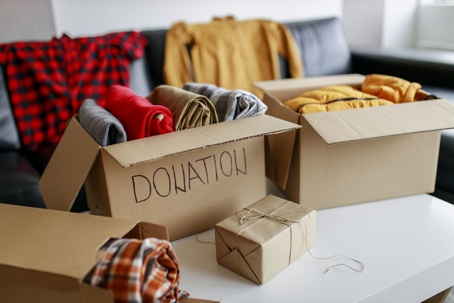
Donate
Items that are still usable but no longer serve a purpose for you.
Throw Away
Items that are broken, damaged, expired, or no longer usable.
Using clearly labeled boxes or designated areas can help keep the sorting process organized.
What to Keep
The “keep” category should contain items that contribute positively to your life and will be useful in your new home.
Consider keeping:
Essential Furniture
Furniture that fits your new space and remains in good condition.
Examples include:
- Beds
- Dining tables
- Sofas
- Desks
- Storage units
Frequently Used Household Items
Keep items that you use regularly and would need to replace if discarded.
Examples include:
- Kitchen tools
- Cleaning supplies
- Everyday electronics
- Bedding and towels
Important Documents
Gather and organize important paperwork such as:
- Birth certificates
- Passports
- Tax records
- Insurance documents
- Medical records
Store these items securely and transport them personally whenever possible.
Sentimental Items
Family heirlooms, photographs, and meaningful keepsakes often deserve a place in your new home.
However, try to be selective. Keeping every sentimental item can lead to unnecessary clutter.
What to Donate
Many belongings that no longer fit your needs can still benefit someone else.
Donating usable items is an excellent way to reduce waste while helping individuals and families in your community.
Clothing
Consider donating:
- Clothes that no longer fit
- Unused jackets
- Shoes in good condition
- Accessories you rarely wear
If you haven’t worn an item in over a year, it may be time to let it go.
Furniture
Many organizations accept gently used:
- Chairs
- Tables
- Dressers
- Bookshelves
- Bed frames
Donating furniture can save disposal costs while helping others furnish their homes.
Household Goods
Common donation items include:
- Dishes
- Cookware
- Small appliances
- Lamps
- Home décor
Books and Toys
Schools, libraries, charities, and community organizations often welcome donations of books and toys in good condition.
What to Throw Away
Some items are simply no longer suitable for use, donation, or resale.
Broken Items
Discard items that are damaged beyond repair, such as:
- Broken furniture
- Cracked containers
- Non-functional electronics
- Worn-out household items
Expired Products
Check for expired:
- Medications
- Food items
- Cleaning products
- Cosmetics
Dispose of these items according to local regulations.
Damaged Clothing
Clothing with severe stains, tears, or excessive wear may not be suitable for donation.
Unusable Paperwork
Shred outdated documents that are no longer needed and contain sensitive information.
Questions to Ask Yourself
If you’re struggling to decide whether to keep an item, ask yourself:
- Have I used this in the past year?
- Does it serve a useful purpose?
- Would I buy it again today?
- Does it fit my new home?
- Is it worth the cost of moving?
These questions can help you make practical decisions and avoid transporting unnecessary belongings.
Be Realistic About Space
Your new home may have a different layout, storage capacity, or room size than your current residence.
Before moving large furniture or excess belongings, consider:
- Available closet space
- Garage storage
- Room dimensions
- Overall lifestyle needs
Keeping only what fits comfortably in your new environment can help prevent future clutter.
Consider Selling Valuable Items
While donation and disposal are important, some items may have resale value.
Examples include:
- Quality furniture
- Electronics
- Collectibles
- Tools
- Sporting equipment
Selling these items can provide extra funds to help offset moving expenses.
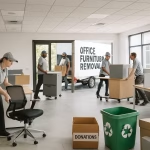
Use Professional Junk Removal Services
For large-scale decluttering projects, professional junk removal services can be extremely helpful.
They can assist with:
- Furniture removal
- Appliance disposal
- Garage cleanouts
- Estate cleanouts
- Large household decluttering projects
Professional services save time and eliminate the challenge of transporting bulky items yourself.
Organize Before Packing
Once you’ve finished sorting your belongings, packing becomes much easier.
Consider these tips:
Label Boxes Clearly
Include both the room name and a brief description of contents.
Pack Similar Items Together
Grouping similar items simplifies unpacking.
Create an Essentials Box
Pack important daily-use items separately, including:
- Toiletries
- Chargers
- Basic kitchen supplies
- Medications
- Important documents
Having easy access to essentials reduces stress during the first few days in your new home.
Benefits of Moving With Less Clutter
A well-organized move provides long-term advantages.
You’ll likely enjoy:
- Lower moving costs
- Faster unpacking
- Improved home organization
- More available storage space
- Less stress and frustration
Many people find that decluttering before a move helps them feel more comfortable and settled in their new environment.
Conclusion
Preparing for a move is about more than packing boxes—it’s an opportunity to evaluate your belongings and create a more organized lifestyle. By sorting items into categories to keep, donate, or throw away, you can simplify the moving process and avoid bringing unnecessary clutter into your new home.
Starting early, making thoughtful decisions, and focusing on what truly adds value to your life can transform a stressful move into a fresh beginning. Whether you’re relocating to a larger home, downsizing, or simply seeking a new environment, careful decluttering is one of the best investments you can make before moving day.