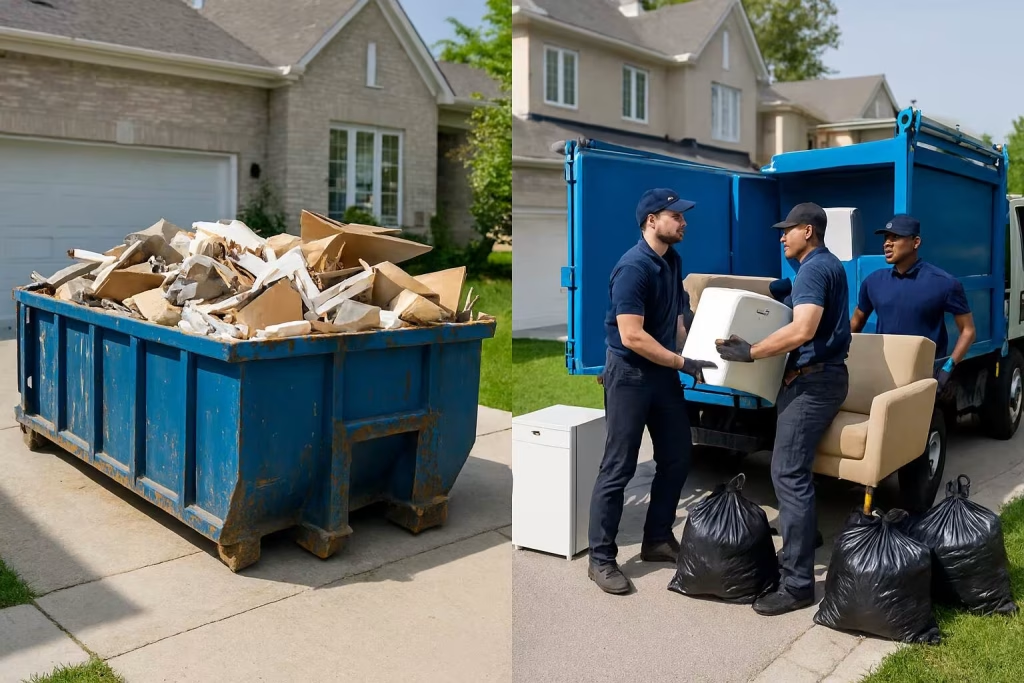

Junk removal services have become an essential solution for managing unwanted items, debris, and clutter in both homes and businesses. Whether you are cleaning out a garage, preparing for a move, renovating an office, or managing a large commercial property, professional junk removal services can save time, improve safety, and simplify the disposal process.
While the basic concept of junk removal is the same across different settings, there are important differences between residential junk removal and commercial junk removal. Understanding these distinctions can help property owners, homeowners, business managers, and property administrators choose the right service for their specific needs.
In this guide, we’ll explore the key differences between residential and commercial junk removal, including the types of materials handled, project scope, scheduling requirements, and overall benefits.
What Is Residential Junk Removal?
Residential junk removal focuses on helping homeowners, renters, and residential property owners remove unwanted items from their living spaces.
These services are commonly used for:
- Home decluttering projects
- Garage cleanouts
- Basement cleanouts
- Attic cleanouts
- Moving preparation
- Estate cleanouts
- Renovation debris removal
- Furniture disposal
Residential junk removal companies are equipped to handle a wide range of household items and can often complete projects quickly and efficiently.
The primary goal is to help homeowners reclaim space, improve organization, and maintain a clean living environment.
What Is Commercial Junk Removal?
Commercial junk removal serves businesses, organizations, institutions, and commercial property owners.
These services are typically used for:
- Office cleanouts
- Retail store renovations
- Warehouse cleanups
- Restaurant equipment removal
- Construction site debris removal
- Property management cleanouts
- Industrial waste removal
- Commercial relocation projects
Commercial junk removal often involves larger volumes of material and more complex logistics compared to residential projects.
Businesses frequently require customized solutions that minimize disruptions to daily operations while ensuring efficient waste management.
Difference #1: Type of Materials Removed
One of the biggest differences between residential and commercial junk removal is the type of materials involved.
Residential Materials
Residential projects commonly include:
- Furniture
- Mattresses
- Appliances
- Electronics
- Clothing
- Toys
- Household clutter
- Yard waste
- Home renovation debris
Most residential items originate from everyday household activities and personal belongings.
Commercial Materials
Commercial projects often involve:
- Office furniture
- Cubicles
- Filing cabinets
- Retail fixtures
- Warehouse shelving
- Commercial appliances
- Packaging materials
- Industrial equipment
- Large volumes of construction debris
Commercial environments frequently generate specialized waste streams that require different handling procedures.
Difference #2: Project Size and Scope
Residential junk removal projects are generally smaller in scale.
A homeowner may need to remove:
- A few pieces of furniture
- Several boxes of clutter
- Garage contents
- Household debris
Many residential jobs can be completed in a few hours.
Commercial projects, on the other hand, often involve significantly larger volumes of material.
Examples include:
- Entire office buildings
- Retail store renovations
- Warehouse cleanouts
- Multi-unit property turnovers
Commercial jobs may require larger crews, multiple trucks, and extended project timelines.
Difference #3: Scheduling Requirements
Scheduling needs often differ between residential and commercial customers.
Residential Scheduling
Homeowners typically prefer appointments during:
- Weekdays
- Weekends
- Moving periods
- Home renovation projects
Residential schedules are often more flexible because the work usually affects fewer people.
Commercial Scheduling
Businesses frequently require removal services outside normal operating hours.
Common scheduling preferences include:
- Early mornings
- Evenings
- Weekends
- Holiday periods
This helps minimize disruption to employees, customers, and daily business operations.
Commercial providers often offer customized scheduling options to accommodate business needs.
Difference #4: Regulatory Considerations
Commercial junk removal projects may involve additional regulations and compliance requirements.
Businesses often generate materials that must be handled according to specific guidelines, including:
- Electronic waste
- Commercial appliances
- Construction debris
- Confidential documents
- Industrial materials
Certain industries may also have environmental regulations that govern waste disposal.
Residential projects generally involve fewer regulatory concerns, although local disposal rules still apply.
Professional junk removal companies help ensure materials are disposed of properly and in compliance with applicable laws.
Difference #5: Volume of Waste
The volume of junk generated by commercial properties is often much greater than that of residential properties.
For example:
A homeowner cleaning out a garage may generate a truckload of unwanted items.
In contrast, an office relocation could produce:
- Dozens of desks
- Hundreds of pounds of electronics
- Large quantities of paperwork
- Multiple truckloads of furniture
Because of this, commercial junk removal services often require larger equipment and more extensive planning.
Difference #6: Equipment and Labor Requirements
Residential junk removal usually involves standard removal equipment and smaller crews.
Common tools include:
- Hand trucks
- Dollies
- Pickup vehicles
- Small box trucks
Commercial projects frequently require:
- Larger trucks
- Specialized lifting equipment
- Multiple removal crews
- Additional safety measures
The complexity of commercial projects often necessitates greater manpower and logistical coordination.
Difference #7: Frequency of Service
Many homeowners use junk removal services occasionally.
Typical situations include:
- Spring cleaning
- Downsizing
- Home sales
- Renovation projects
Commercial clients often require ongoing services.
Examples include:
- Monthly cleanouts
- Routine property maintenance
- Recurring construction debris removal
- Scheduled office waste management
Long-term service agreements are more common in commercial settings.
Difference #8: Environmental Responsibility
Both residential and commercial junk removal providers increasingly prioritize sustainable practices.
These may include:
- Recycling
- Material recovery
- Donation programs
- Responsible disposal methods
However, commercial projects often involve larger opportunities for recycling due to the volume of materials generated.
Examples include:
- Office furniture recycling
- Metal recovery
- Electronic waste recycling
- Cardboard recycling
Businesses may also have sustainability goals that influence disposal decisions.
Benefits of Residential Junk Removal
Homeowners benefit from residential junk removal in several ways.
Convenience
Professionals handle lifting, loading, transportation, and disposal.
Improved Organization
Removing unwanted items creates more usable living space.
Reduced Stress
Decluttering projects become easier and less time-consuming.
Increased Property Appeal
Clean, organized homes are often more attractive to visitors and potential buyers.
Benefits of Commercial Junk Removal
Commercial junk removal offers unique advantages for businesses.
Enhanced Workplace Safety
Removing clutter and debris helps reduce workplace hazards.
Improved Productivity
Organized work environments support employee efficiency.
Professional Appearance
Clean commercial properties create a positive impression on clients and customers.
Efficient Waste Management
Professional providers help businesses manage waste responsibly and consistently.
Choosing the Right Junk Removal Service
Whether you need residential or commercial junk removal, selecting the right provider is important.
Consider factors such as:
- Experience
- Licensing and insurance
- Recycling practices
- Customer reviews
- Scheduling flexibility
- Pricing transparency
A reputable company should be able to explain its process clearly and provide solutions tailored to your specific needs.
Conclusion
Although residential and commercial junk removal share the same basic purpose—removing unwanted items and waste—their requirements can differ significantly. Residential projects typically focus on household clutter, furniture, and personal belongings, while commercial projects often involve larger volumes, specialized materials, and more complex logistics.
Understanding these key differences can help homeowners and business owners choose the most appropriate service for their situation. Whether you are cleaning out a home, managing an office relocation, or overseeing a commercial renovation, professional junk removal services provide a convenient and efficient solution for maintaining clean, organized, and functional spaces.
By selecting an experienced provider and understanding your project’s unique needs, you can enjoy a smoother cleanup process and achieve better long-term results.